
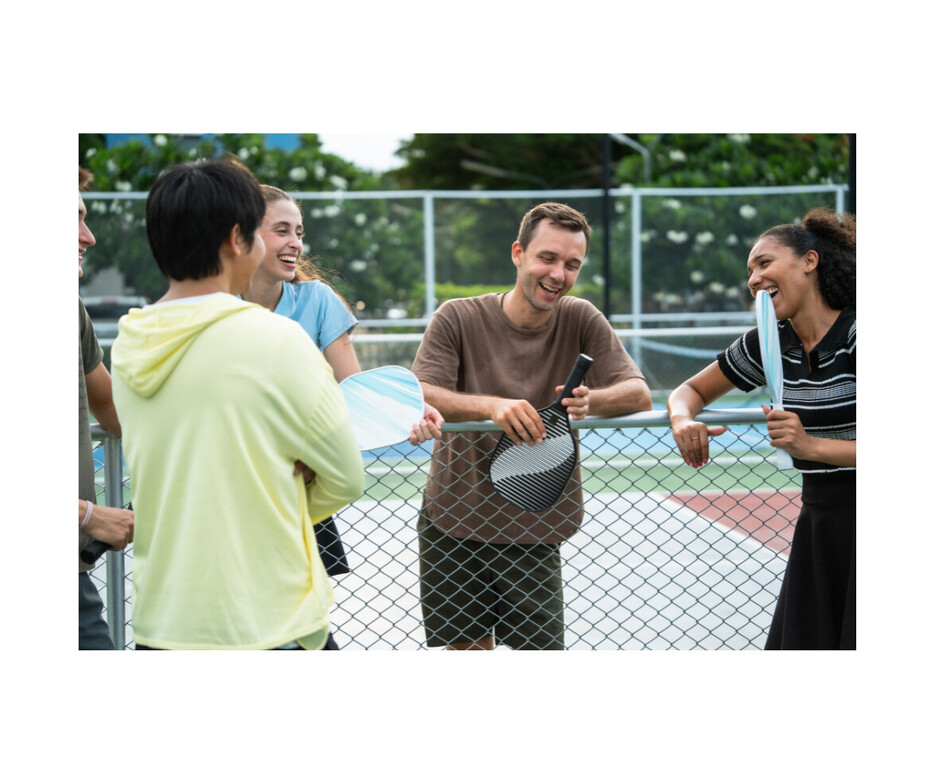
Pickleball injuries are becoming more common as the sport continues to grow in popularity. While pickleball is an excellent form of exercise for people of all ages, many players are surprised when shoulder pain, knee problems, heel pain, or low back pain begin to interfere with the game they love.
The Court Reveals What Everyday Life Has Been Hiding
Most injuries feel sudden. Very few actually are.
More often, they’re the result of years of accumulated stress, old injuries, postural changes, and movement patterns that have been quietly building beneath the surface. The body is remarkably adaptable and can compensate for these issues for years without creating significant symptoms.
Then one day, you step onto the court.
Suddenly your body is being asked to move differently. You’re reaching overhead, rotating, accelerating, stopping quickly, changing direction, and reacting to a moving ball. These are all healthy movements, but they place demands on the body that many people haven’t regularly experienced in years.
The shoulder that has been compensating since an old injury finally becomes painful. The knee that has quietly been carrying extra stress starts to complain. The foot that has gradually lost mobility develops heel pain. The low back that has been absorbing forces for years suddenly feels stiff after a few games.
The game didn’t create the weakness. It revealed it.
That’s why so many pickleball injuries seem to come out of nowhere. The pain may feel sudden, but the underlying problem has often been developing for months or even years.
The Most Common Pickleball Complaints
While every player is different, several complaints appear over and over again.
Shoulder Pain
Pickleball requires repeated reaching, serving, and overhead movements. For individuals with poor shoulder mechanics, previous injuries, or postural changes, those motions can place significant stress on the joint and surrounding tissues.
What starts as soreness after a game can gradually become pain with everyday activities, difficulty sleeping, or loss of range of motion.
Knee Pain
Quick pivots, lateral movement, and repeated starts and stops place demands on the knees.
For some players, underlying arthritis may become more noticeable. For others, the issue may be related to mobility restrictions elsewhere in the body that force the knee to absorb more stress than it was designed to handle.
Achilles Tendon Problems
The Achilles tendon is responsible for transferring tremendous forces during movement.
Years of limited ankle mobility, calf tightness, previous injuries, or simple wear and tear can make this tissue more vulnerable when activity levels increase.
Many players notice stiffness or soreness before more significant problems develop.
Plantar Fasciitis
Heel pain is one of the most common complaints among active adults.
The repetitive loading involved in pickleball can aggravate underlying foot dysfunction and lead to irritation of the plantar fascia. Often, players first notice it with those painful first steps out of bed in the morning.
Low Back Pain
The twisting, reaching, and bending required during play can aggravate underlying spinal issues or compensation patterns.
Many players are surprised when a simple game leads to back discomfort, but often the problem has been building long before they ever stepped onto the court.
Why Recovery and Movement Matter
One of the most overlooked factors in injury prevention has nothing to do with your paddle, your shoes, or your technique. It’s how your body moves and functions before you ever step onto the court.
Most people think posture is about appearance. In reality, posture influences how force moves through the body. When alignment changes, stress often gets redistributed to places that were never designed to carry the extra load.
For example, if the body begins to collapse forward over time, the shoulders, neck, hips, knees, and feet may all be forced to compensate in different ways. Those compensation patterns may not create symptoms immediately, but they can gradually reduce efficiency and increase stress throughout the body.
Then a dynamic activity like pickleball enters the picture and exposes what has been there all along.
One of the biggest mistakes I see is treating recovery as optional.
Most people understand the importance of exercise.
Fewer people appreciate the importance of recovery. The body doesn’t rebuild itself while you’re playing. It rebuilds during recovery. Quality sleep, proper hydration, adequate mobility, strength training, and allowing the body time to adapt are all essential components of long-term success.
The players who stay active for decades aren’t usually the ones who push the hardest. They’re the ones who recover the smartest.
Five Ways to Stay on the Court Longer
While no strategy can prevent every injury, there are several things pickleball players can do to improve their odds of staying healthy and active.
1. Don’t Skip Your Warm-Up Many players walk onto the court and begin playing immediately. Spending even five to ten minutes walking, moving, and preparing the shoulders, hips, and ankles for activity can make a meaningful difference.
2. Pay Attention to Mobility If the shoulders, hips, ankles, or spine aren’t moving well, something else usually has to compensate. Regular mobility work can help the body move more efficiently and reduce unnecessary stress on joints and tissues.
3. Respect the Warning Signs A shoulder that always aches after a match, recurring heel pain, or a knee that swells every time you play is your body asking for attention. The sooner you listen, the easier those problems are to solve.
4. Make Recovery Part of Your Routine Sleep, hydration, proper nutrition, and regular movement all matter. Recovery isn’t separate from performance. It is part of performance.
5. Don’t Ignore Your Posture The way your body is positioned and moving today influences how well it will perform tomorrow. Small improvements in posture and movement quality can often produce benefits far beyond what most people expect.
The Bigger Goal
Ultimately, most people don't play pickleball because they're trying to become elite athletes. They play because it's fun. They enjoy the challenge, social connection, and opportunity to stay active.
That's what makes injuries so frustrating. It's not just about missing a game. It's about having your body interfere with something you genuinely enjoy.
The goal was never just to avoid injury. The goal is to have a body that keeps up with the life you want to live.
Because when your body works well, you spend less time thinking about it and more time enjoying the things you love. That might be a morning on the pickleball court, a weekend hike, a long-awaited vacation, time in the garden, or simply keeping up with the people who matter most.
That's what staying active is really about.
Pickleball is one of the best things many people can do for their health, mobility, and quality of life. The key is making sure your body is prepared for the demands that come with it.
After all, the real objective isn't just getting through today's game. It's staying healthy enough to keep playing for years to come.
Want to Stay Active and Keep Doing What You Love?
If pickleball injuries are keeping you off the court, the team at White Oak Chiropractic helps active adults in Vacaville identify movement restrictions, improve mobility, and address the underlying causes of pain so they can get back to doing what they love.
For more information or to schedule a consultation, contact White Oak Chiropractic at 707-446-1714

.jpg)
.jpg)
.jpg)
